Lifestyle
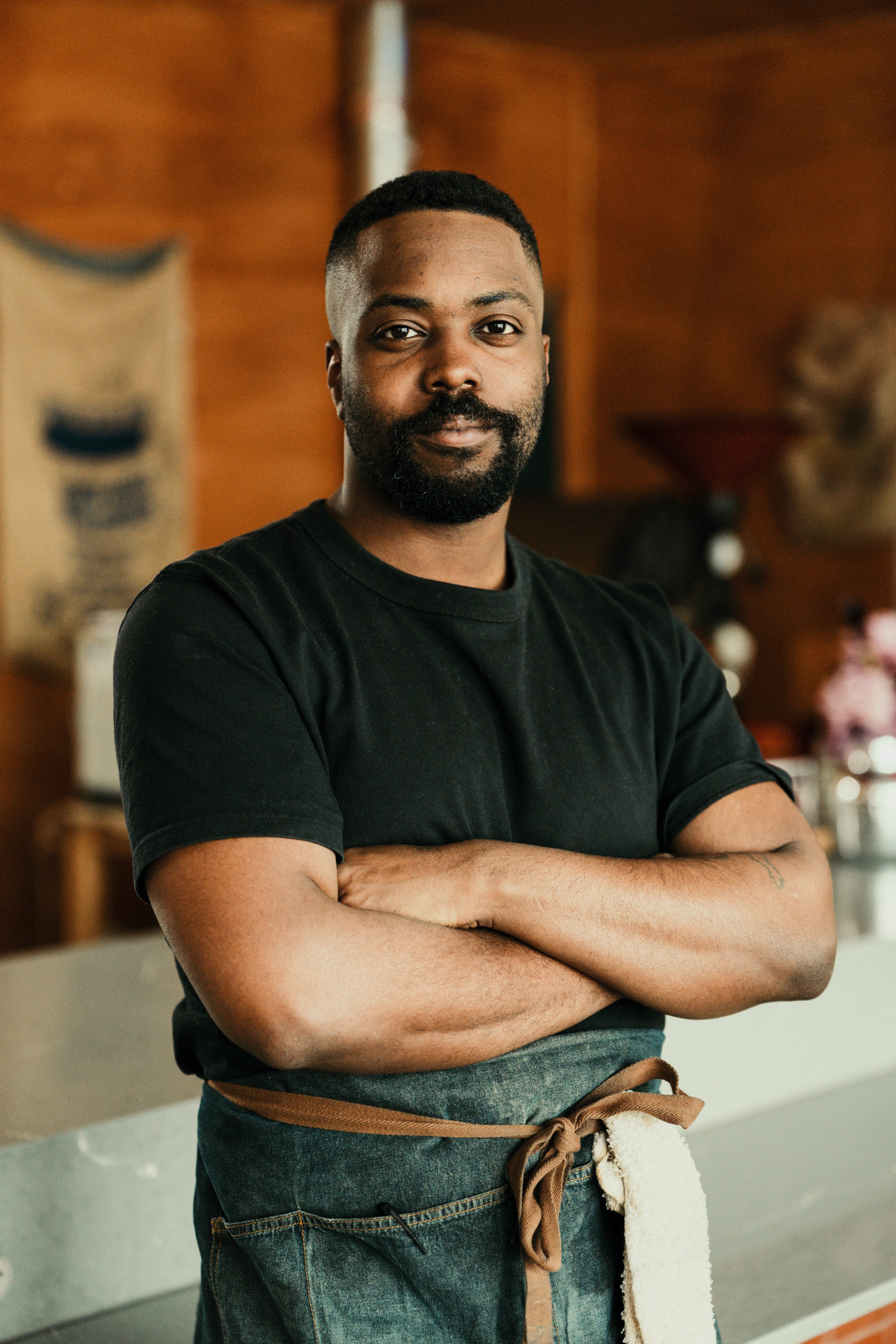
Monday Coffee did not begin as a brand idea or a market play. It began as a response to distance. In 2020, when routines collapsed and togetherness became something people had to imagine rather than inhabit, Felton Edward Kizer asked a grounded question. What is something simple that can still make people feel connected? Not something loud. Not something aspirational. Something useful. Something that could arrive quietly and still mean something.
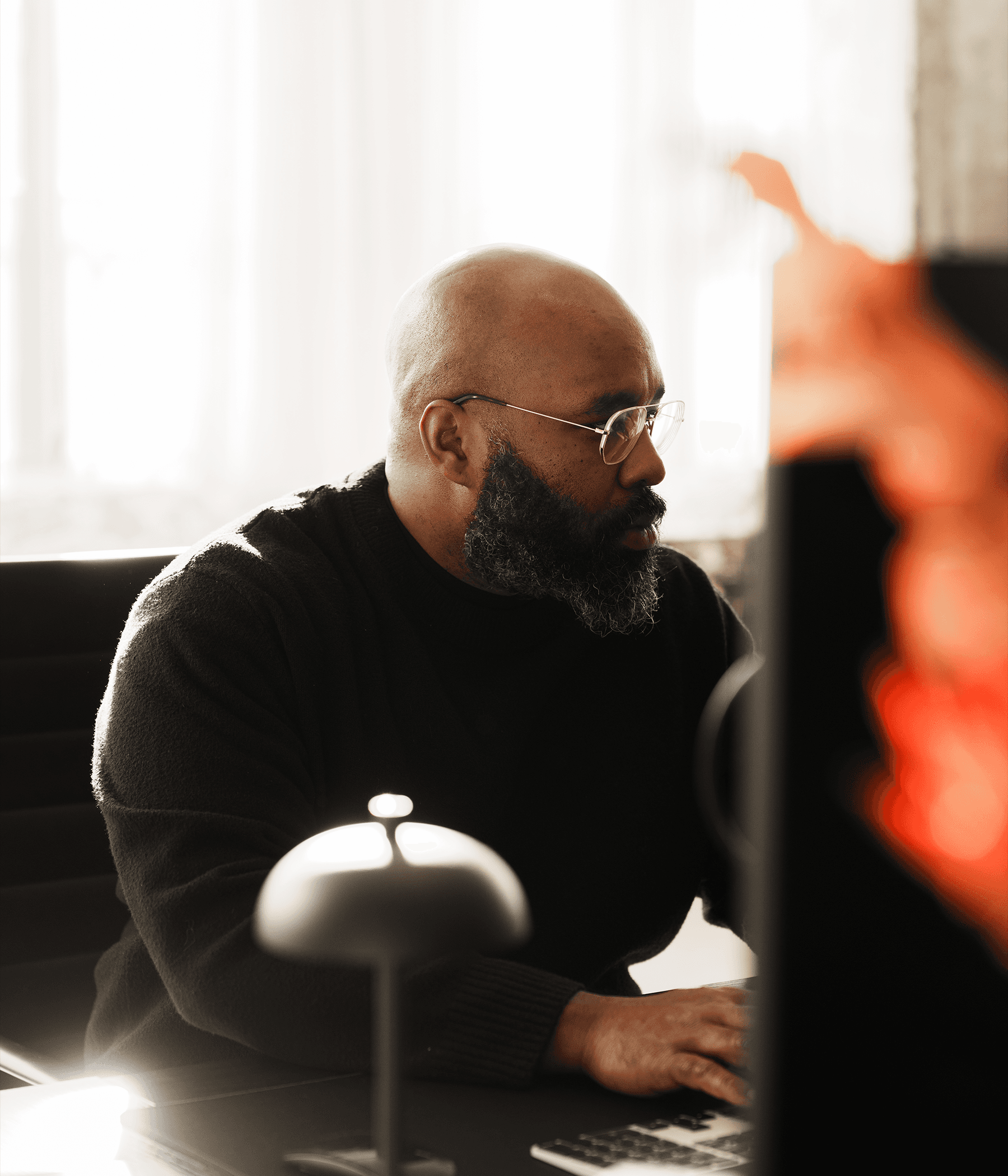
What looks like a career shift is, in reality, continuity. Felton’s work has always lived at the intersection of attention and care. Photography taught him how to notice what others overlook. Hospitality taught him how to hold space once people arrive. Coffee became the medium where those instincts could exist every day without explanation. “I’ve realized I don’t really change what I do,” he says. “I just change the tool. The work has always been about paying attention and trying to be of service.” The lesson is instructive. Purpose does not require reinvention. It requires discipline.

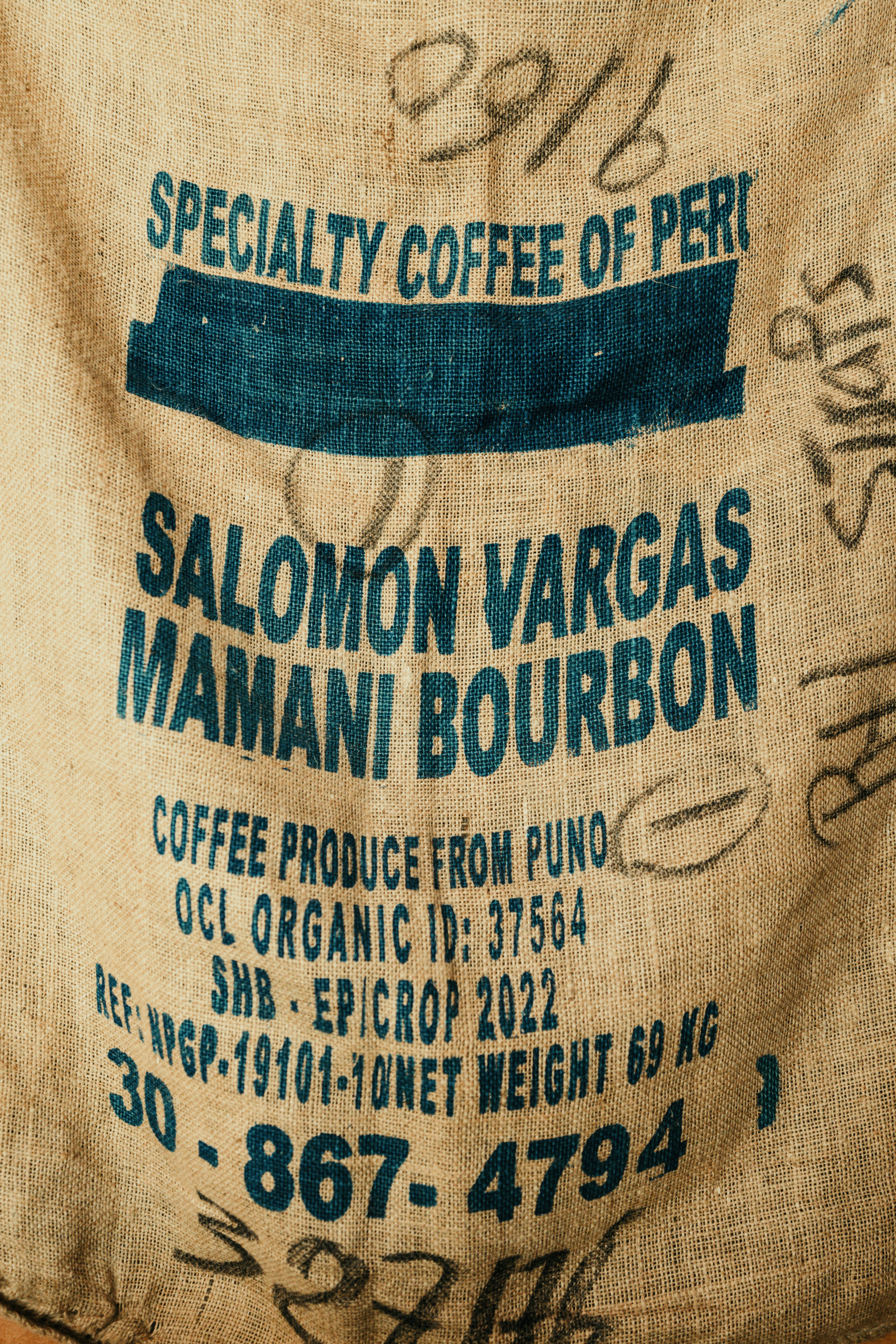
Monday Coffee's first form was a bottle, not a café. That decision was practical, but it was also philosophical. Coffee already carries ritual. It belongs to mornings, conversations, and pauses. Sending someone a coffee is a small gesture, but it holds weight. It says I’m thinking of you without demanding presence or performance. In a moment defined by separation, Felton leaned into something familiar instead of forcing novelty. The lesson for builders is clear. Connection is sustained through consistency, not spectacle.
From the beginning, Monday Coffee was built through alignment rather than credentials. Felton partnered with Amanda Harth not because either of them had all the answers, but because they shared a willingness to learn in public and stay close to the work. Their partnership was shaped by trust, patience, and mutual accountability. They moved slowly on purpose. Learning the craft. Refining the product. Saying no when something felt premature. “I wanted to understand what I was offering before I talked about it,” Felton reflects. The takeaway is practical. The right partners are not the most impressive on paper. They are the ones willing to build responsibly.
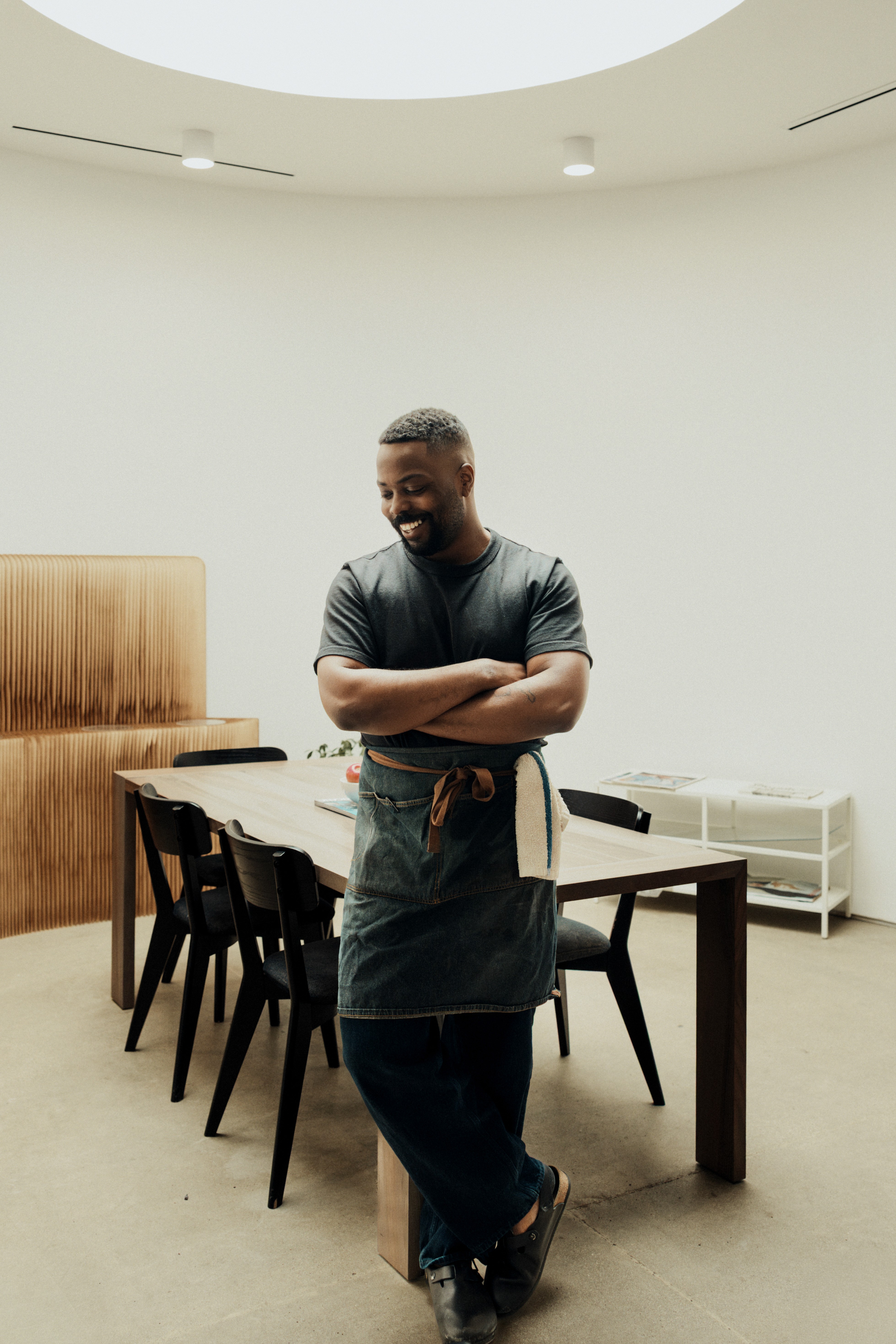
As the brand grew, it stayed rooted in place. Monday Coffee’s relationship to its neighborhood is not symbolic. It is operational. Coffee’s history is shaped by land, labor, and tradition, and Felton approached that lineage as something to care for rather than reinterpret. “I didn’t invent coffee,” he says. “I’m just trying to take care of what’s been handed down.” That ethic extended naturally into physical space. When the opportunity came to build a permanent home, it emerged through a partnership with Duo, the architectural collaborators behind the building Monday Coffee occupies today. The space was not inserted into the neighborhood as a finished idea. It was designed and built collaboratively, with restraint and long-term thinking.

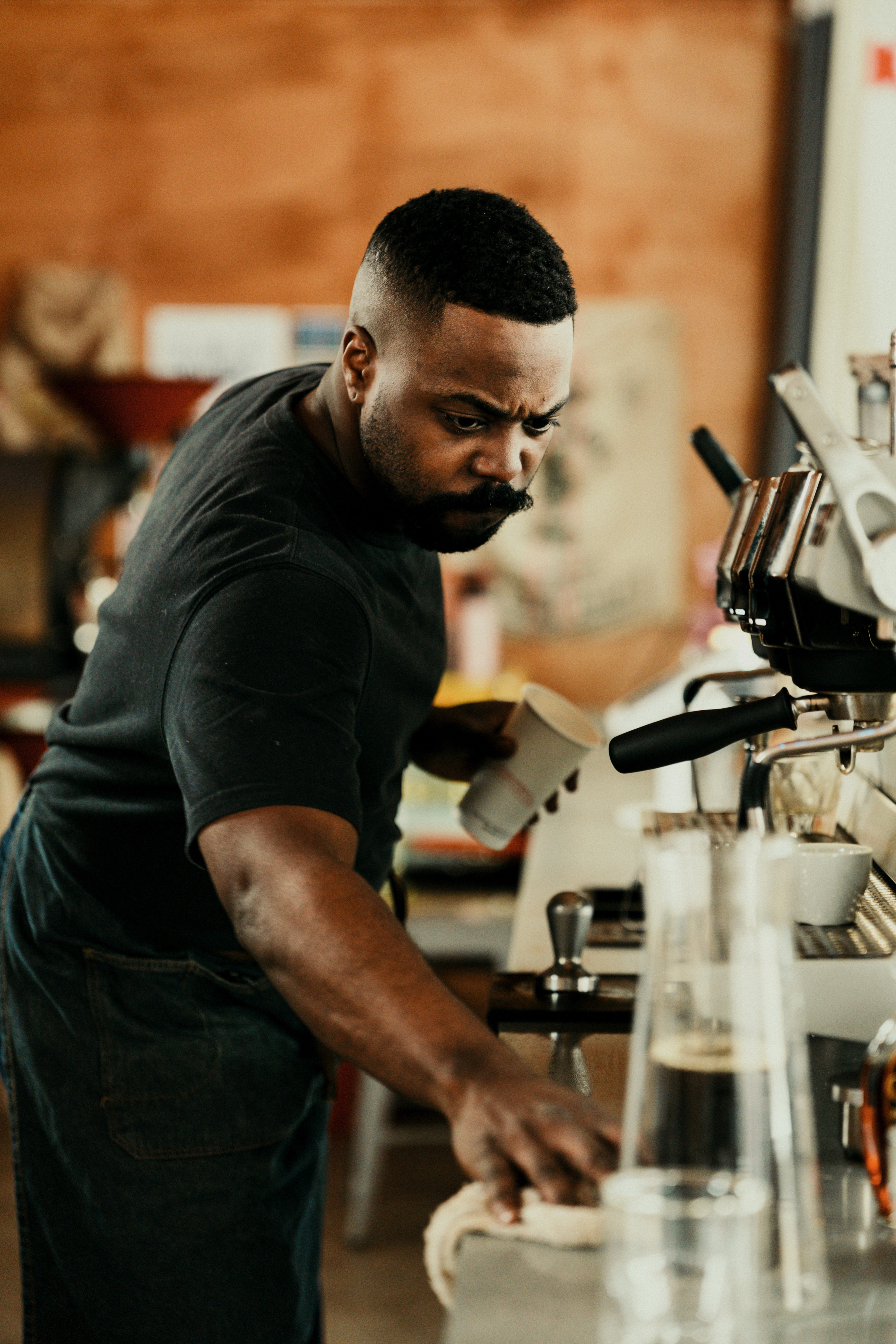

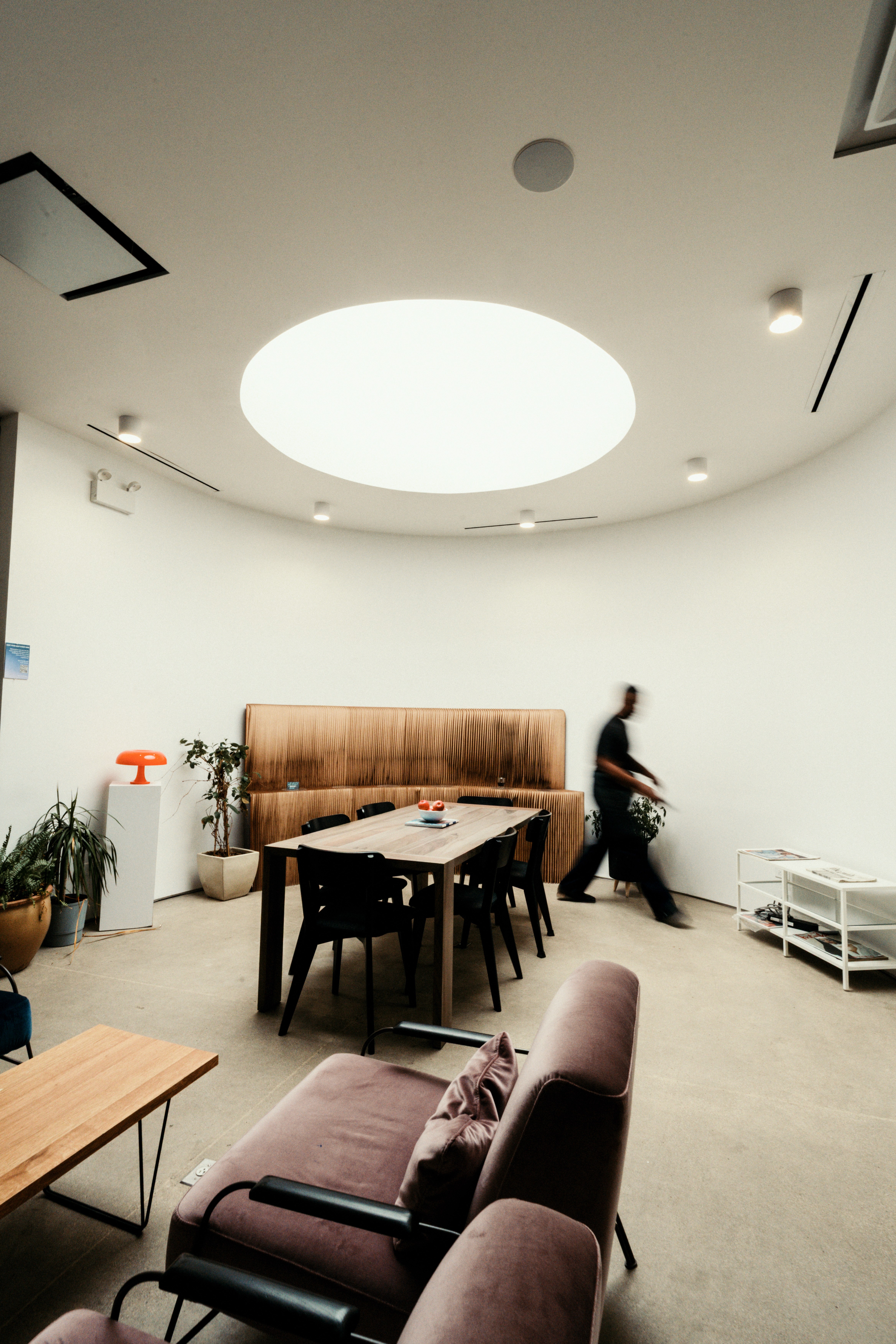
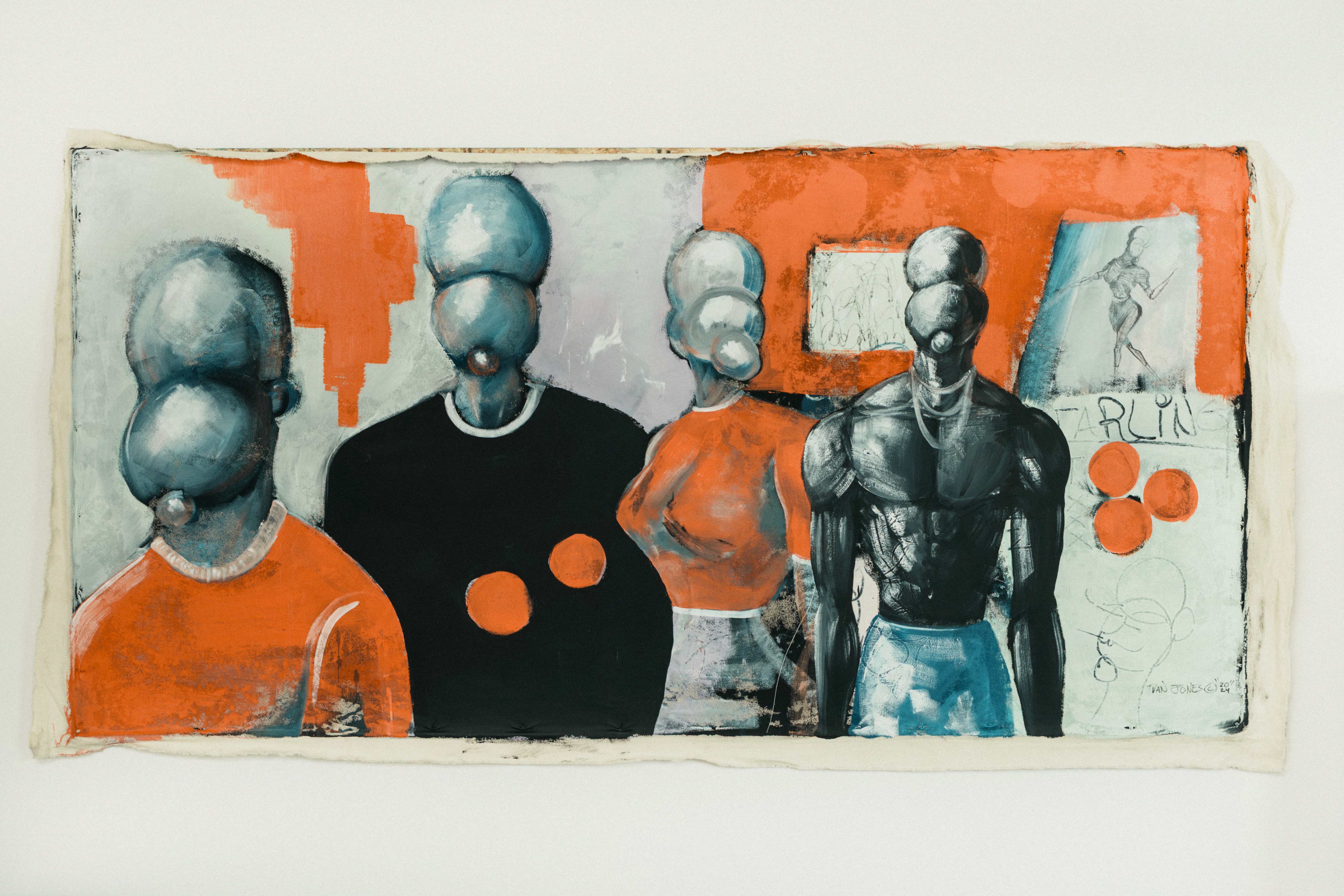
The result is a space that feels dependable rather than performative. Menus remain focused. Offerings evolve through listening. The room invites people to stay without requiring them to consume. Over time, it became somewhere people return to because it feels considered and calm. Sustainability emerged not through scale, but through trust.
That same thinking led to After Monday, Monday Coffee’s non-alcoholic evening offering and a quietly radical contribution to Chicago nightlife. After Monday is not positioned as a counterculture or a corrective. It is an extension of the same values that shaped the coffee program. Presence. Intention. Care. The question was not how to replace bars, but how to design a space where people could still gather, talk, and feel held without relying on alcohol to do the work for them.
After Monday transforms the room as the day fades. Candlelight replaces overhead glare. Jazz and ambient sound slow the pace. The menu centers spirit-free cocktails, teas, and carefully chosen non-alcoholic beverages that respect the ritual of drinking without numbing it. What makes the offering resonate is its generosity. It does not ask people to change who they are or how they live. It simply offers another way to be together. In a city where nightlife often revolves around excess or escape, After Monday creates a pause. A space where presence is enough, and staying clear becomes a quiet form of connection.
At its core, Felton’s work is not about coffee or nightlife. It is about stewardship. About paying attention to what a moment actually needs and responding with care rather than noise. His purpose is not to dominate categories or chase visibility, but to build environments where people feel grounded, respected, and safe to arrive as they are. Monday Coffee is built with its people, not for them. And in that distinction lies its strength.