Culture
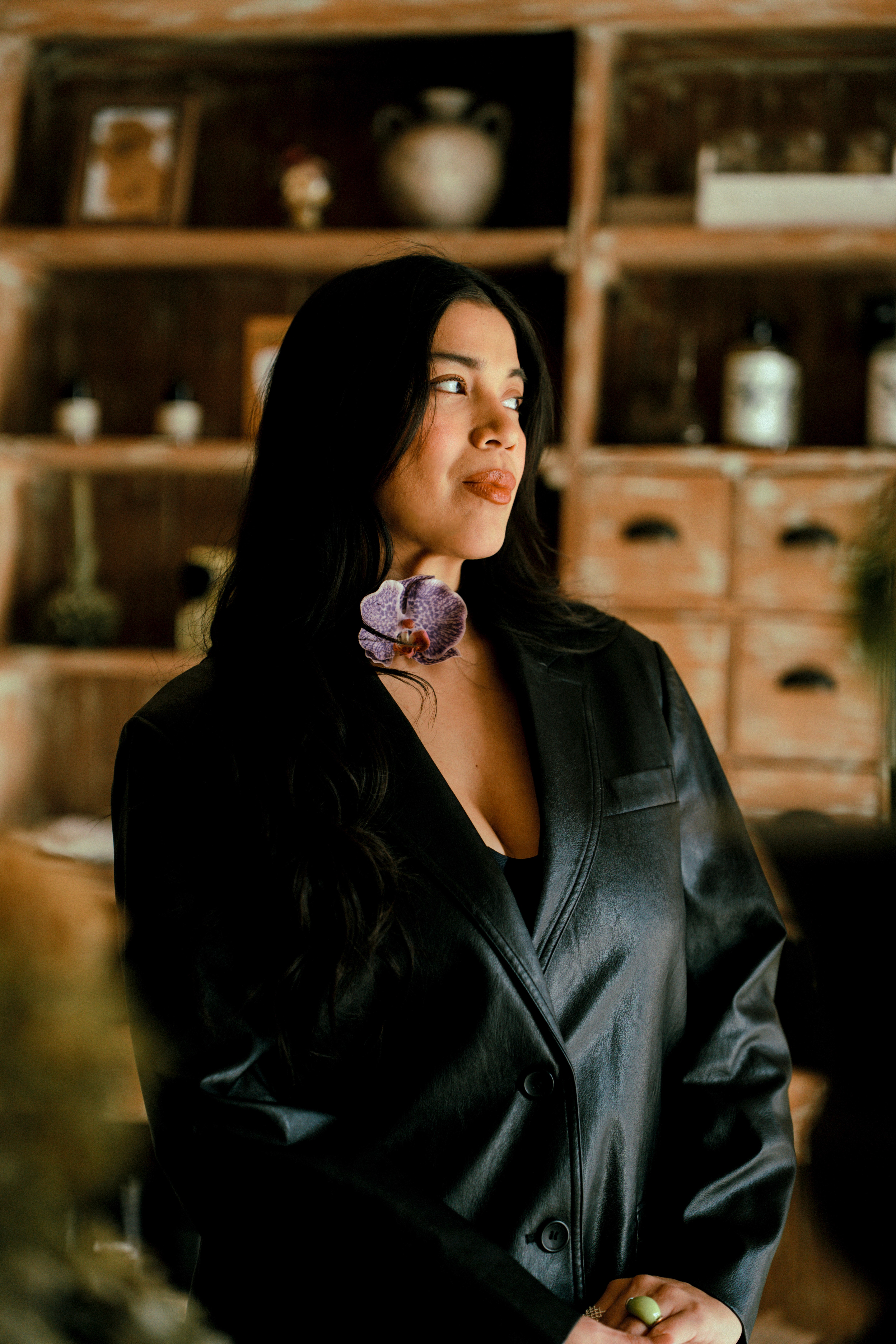
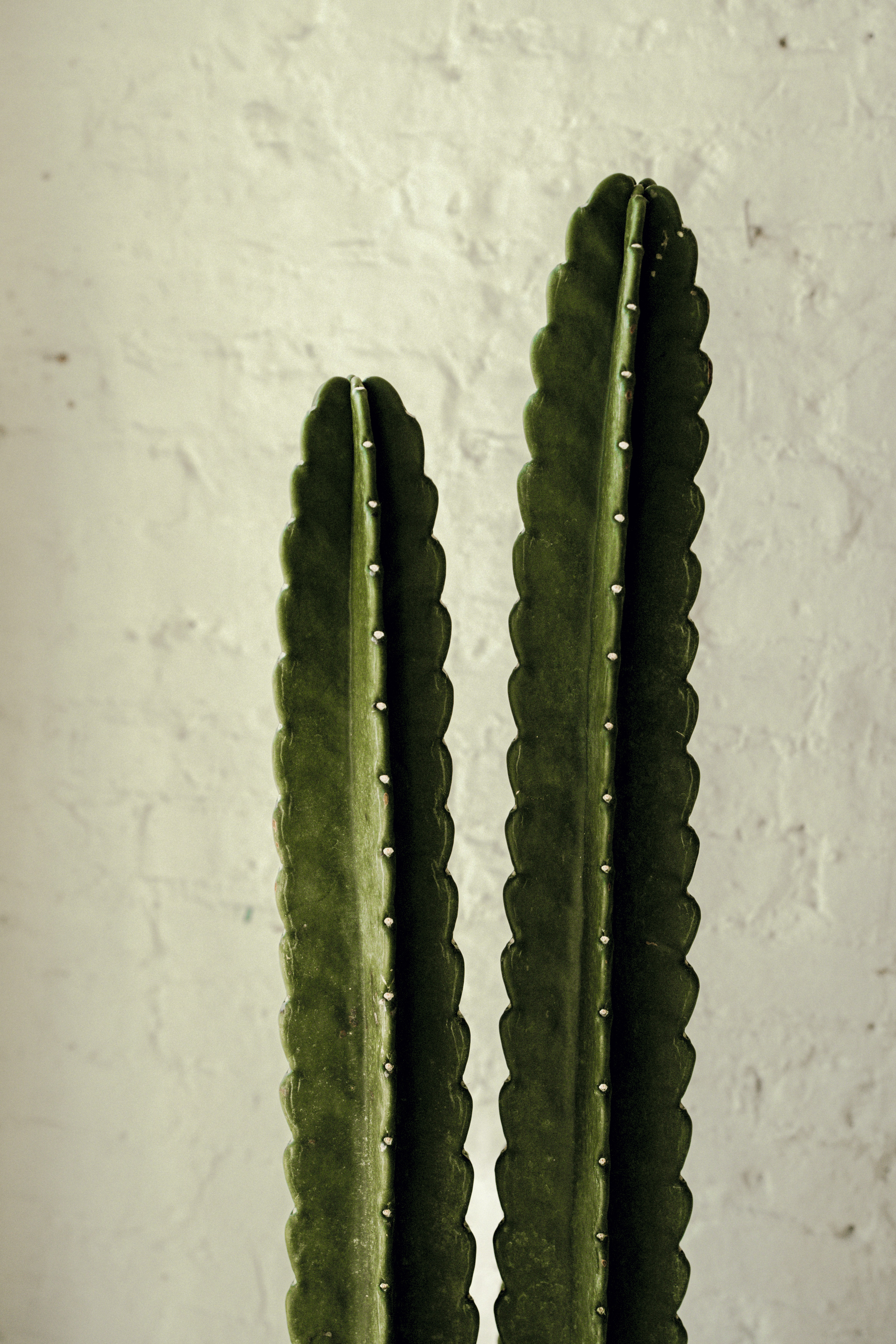
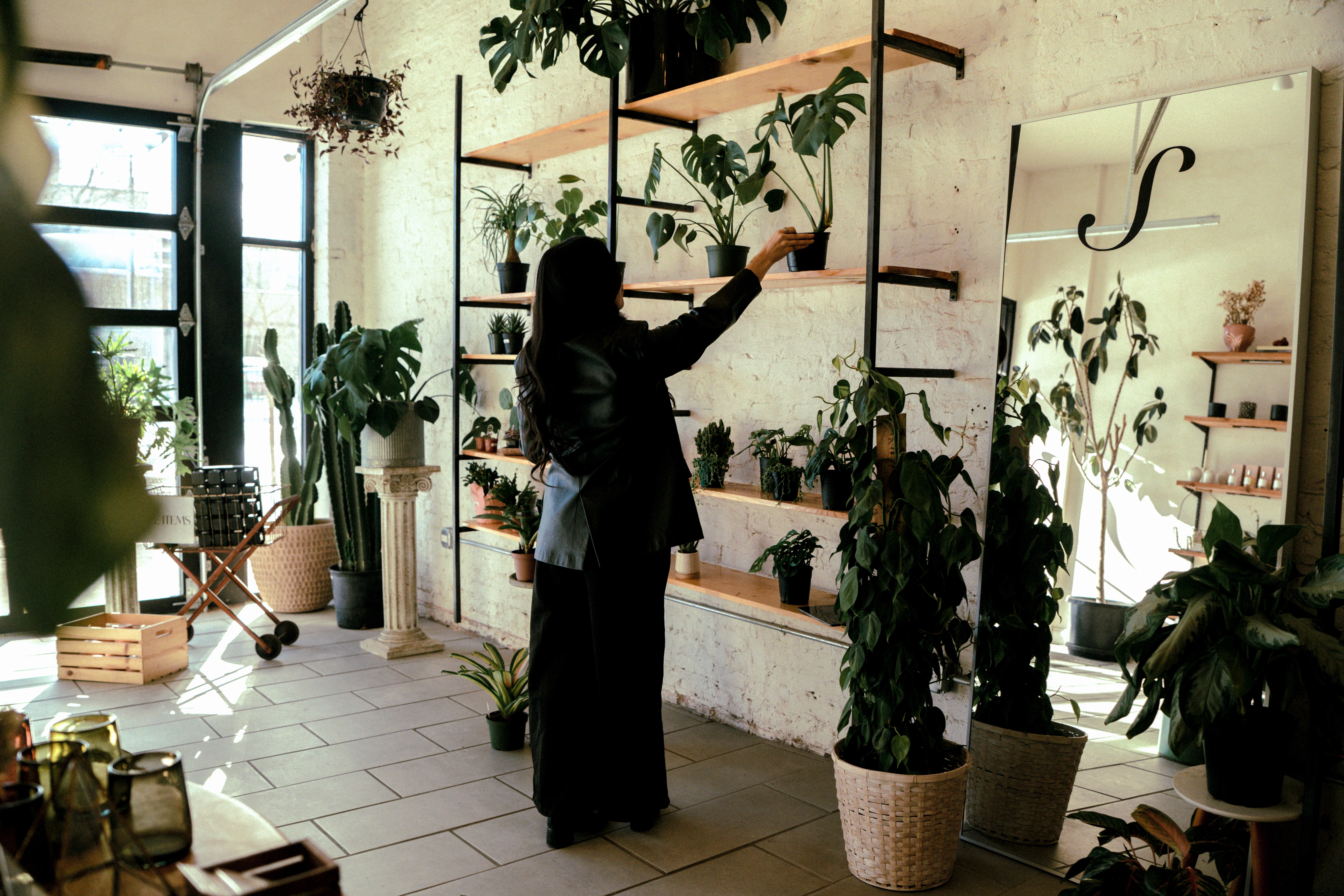
Semillas Chicago did not start as a market opportunity. It started as a response to a moment. In 2020, while businesses closed and routines collapsed, Angelica opened a plant shop in Pilsen with little more than savings, family labor, and a deep intuition for care. What looked risky from the outside was, for her, practical. Plants had become therapy. Hospitality had become second nature. Community was not a strategy, it was a reality she already lived inside of.
“I wanted to build something my neighborhood could be proud of,” Angelica says. “Not something that talked at people, but something that grew with them.” From the beginning, Semillas resisted being only a retail concept. Angelica’s background in hotel hospitality shaped the space more than any trend forecast. Every detail carried intention: how customers were greeted, how music filled the room, how knowledge was shared freely. Selling a plant without teaching someone how to keep it alive felt incomplete. The product mattered, but the experience mattered more. That difference created loyalty early, not through marketing spend, but through trust.

The line out the door came quickly, and with it, the first real business lesson. Demand is a gift, but it exposes weakness fast. Inventory systems had to be built on the fly. Cash flow had to be protected. Angelica learned, often painfully, that growth without structure creates fragility. Short term leases, unpredictable rent increases, and the physical limits of a small space made it clear that sustainability required scale of a different kind, not just more customers, but better control.
Relocating to Blue Island marked a shift from instinct to intention. The new space offered possibility, but it also introduced risk. Bigger rent. Longer buildouts. Slower foot traffic. The early momentum of Semillas did not automatically transfer. Angelica had to reintroduce the brand, redirect her audience, and rebuild rhythm, recognizing that visibility and loyalty are not permanent assets. They must be earned repeatedly.
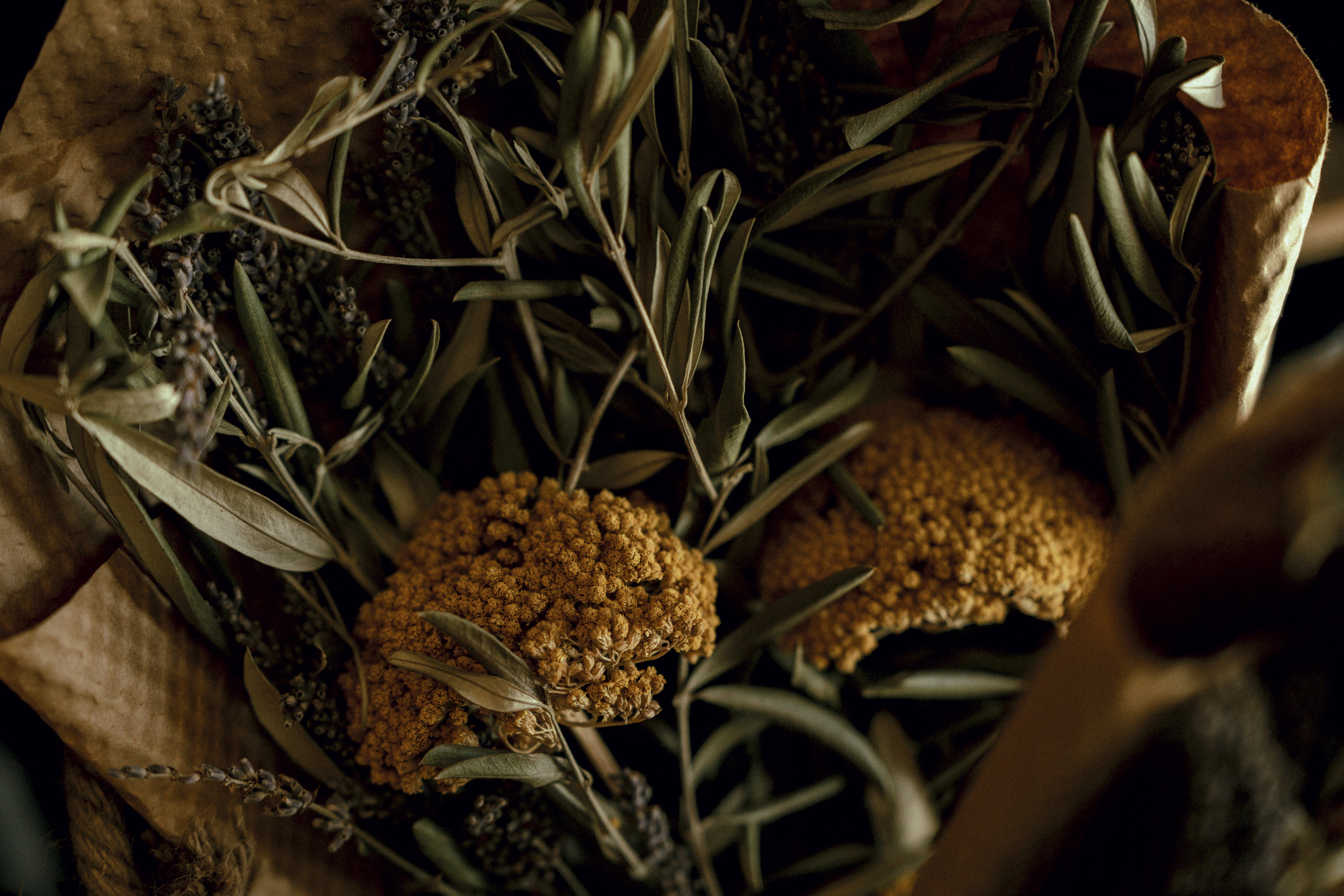
Expansion followed necessity rather than ambition. “The most important thing I learned is that sustainability is not about getting bigger. It is about getting clearer.” Coffee emerged organically, driven by customer behavior and shared ritual. Flowers expanded from seasonal offerings to core identity. Events and installations became essential revenue streams, not as distractions, but as extensions of the brand’s strengths. What began as a neighborhood shop evolved into a creative partner trusted by institutions far beyond its footprint, collaborating with the Chicago Bulls, Kith, Tequila Herradura, and Nike on floral installations, campaigns and experiential moments that translated Semillas’ language of care into larger cultural spaces. These partnerships did not dilute the brand. They clarified it.


Motherhood reframed everything. The business could no longer rely on constant presence or endless energy. Angelica began asking harder questions about systems, delegation, and longevity. The brand had to become larger than its founder. This shift from me to we marked a turning point. Hiring, training, and values documentation became as important as sales. Culture was no longer implied, it had to be built intentionally.
“I am proud that Semillas feels honest,” she says. “People come in and recognize themselves here. That tells me the work is doing what it is supposed to do.” Partnerships followed the same philosophy. Angelica learned quickly that capital alone is not alignment. She values collaborators who understand the physical and emotional labor of a brick and mortar business, who respect craft over speed, and who see community not as a backdrop but as the point. Numbers matter, but they do not tell the full story. Experience does.
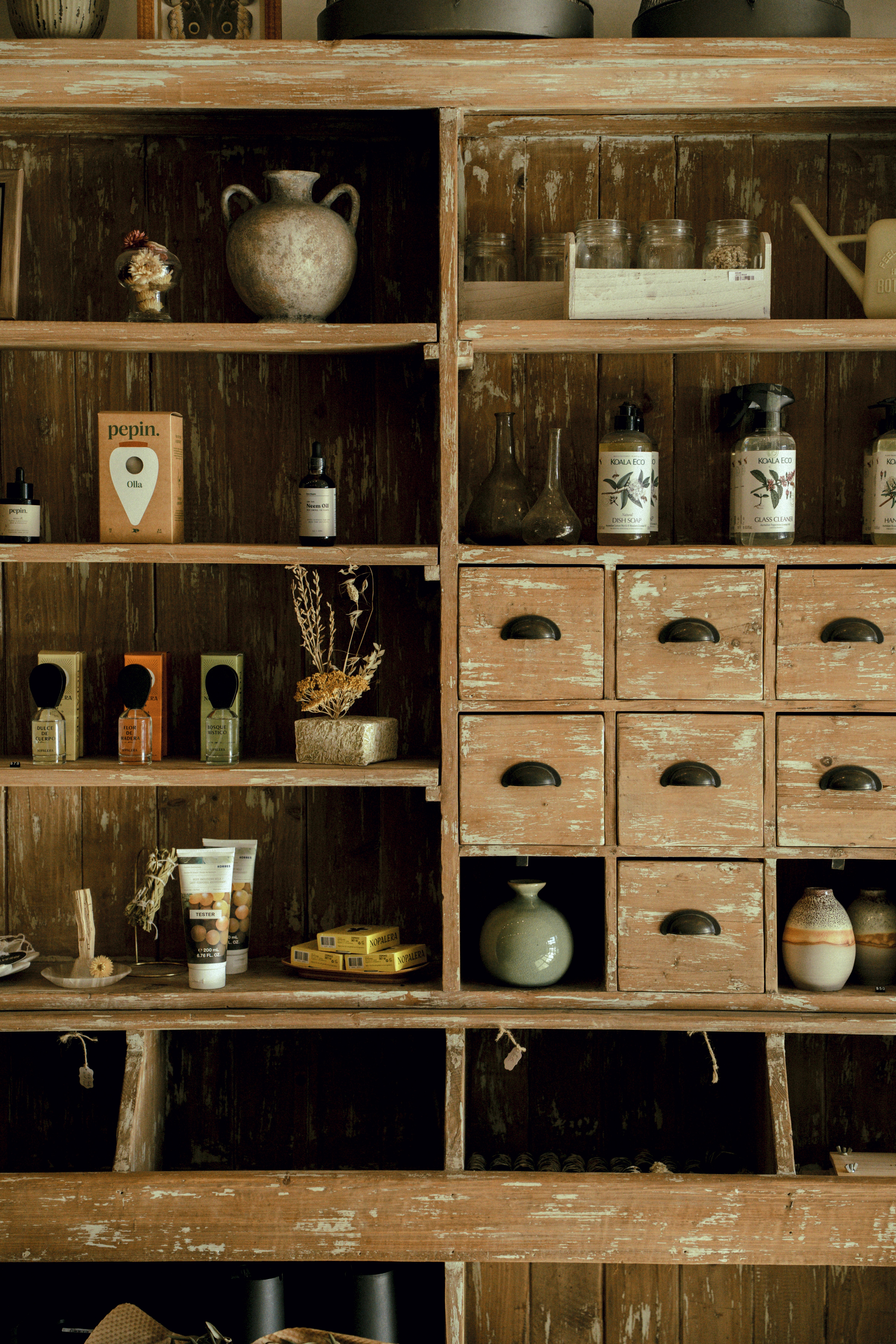
Today, Semillas operates as more than a plant shop. It is a platform for gathering, learning, and collaboration. A space where commerce and care coexist without contradiction. As the brand moves toward its next chapter, including a cafe, expanded home goods, and deeper programming, its foundation remains steady.
‘Love grows here’ is not branding language. It is operational truth. Semillas proves that the strongest businesses are not built by chasing scale, but by paying attention. To people. To patterns. To when it is time to adapt, and to when it is time to protect what should not change.